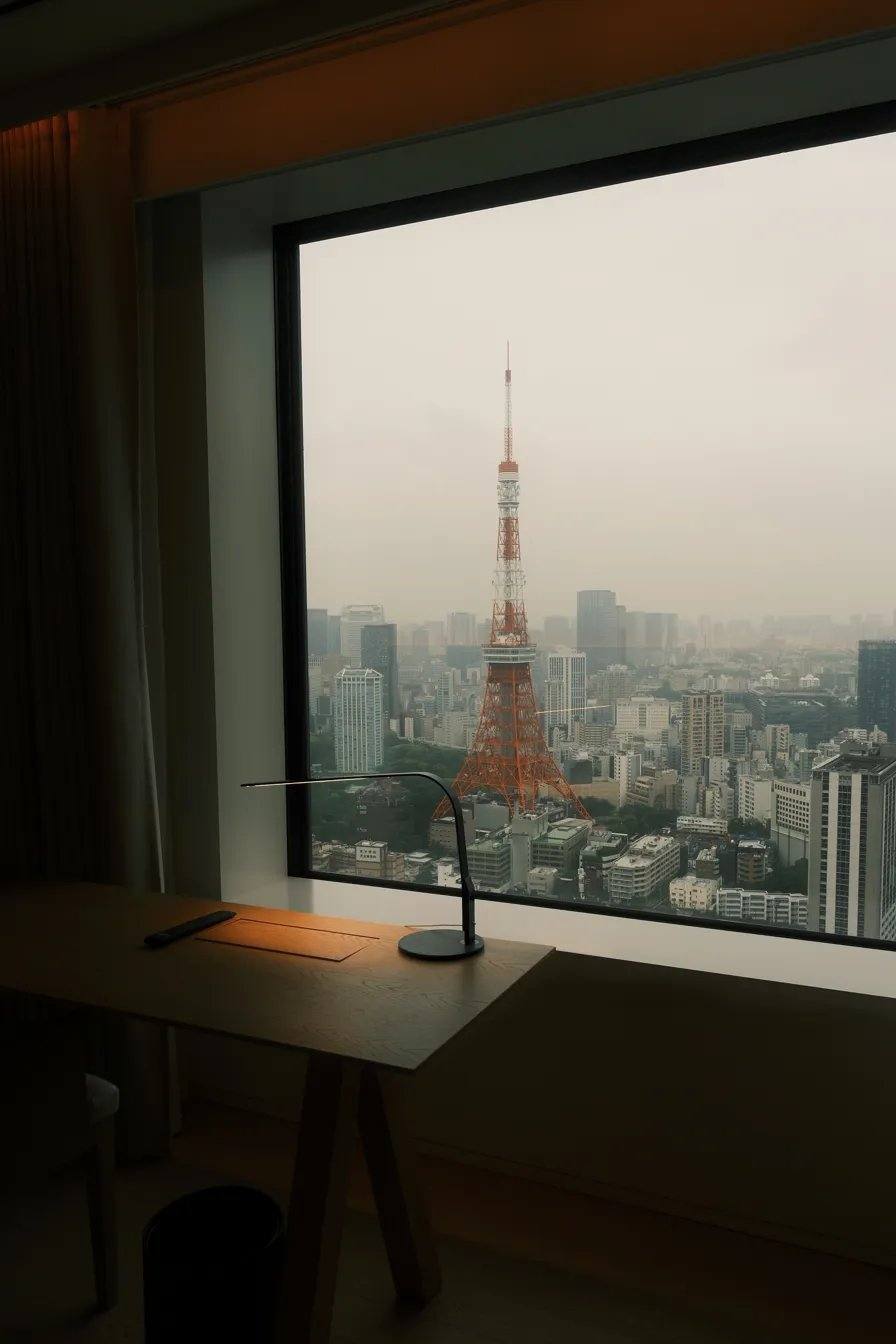
Japan is not difficult to visit. It is, however, genuinely difficult to book well, and there's an enormous difference between those two things. I just returned from Tokyo, Mt. Fuji, Kyoto, and Okinawa in April and May 2026, and what struck me again on this trip was how much of the best of Japan is completely invisible to someone navigating it alone.
Here's what makes Japan uniquely complex to plan, and why every single one of those complexities works in your favor when you have the right person in your corner.
Knowing Where to Stay Is Half the Battle
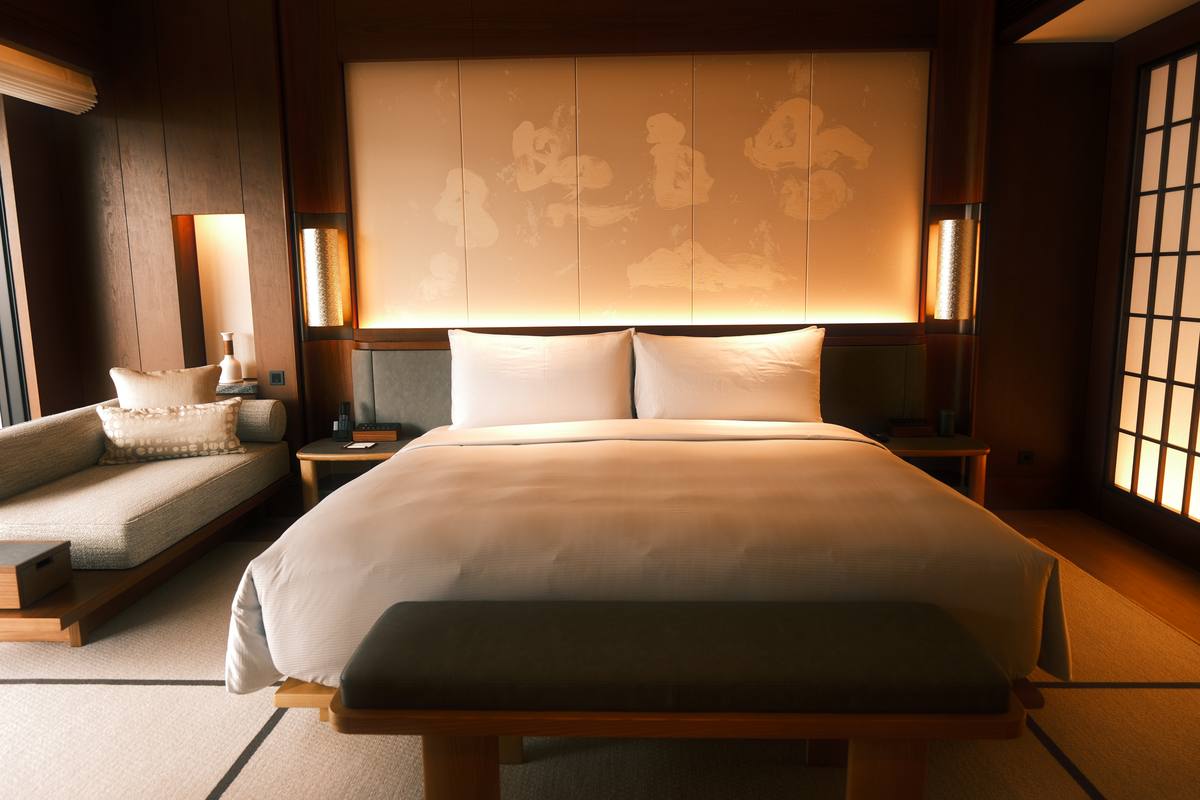
Japan has no shortage of places to stay. The challenge is knowing which ones are actually worth your money, and why. The finest ryokans in Japan, the ones with private onsens, multi-course kaiseki dinners, and the kind of service that redefines what hospitality means, often have no English-language booking system. Some have no online booking of any kind. But even when a property is technically bookable, like Capella Kyoto, a new luxury hotel that blends traditional Japanese design with world-class amenities, knowing to book it at all, which room categories deliver the full experience, and what you're actually getting for the rate requires someone who has been there. Japan rewards the traveler who knows the difference between a hotel that looks impressive online and one that actually delivers.
Japan's accommodation landscape is deliberately complex. Ryokans that require Japanese-language reservations, luxury hotels with room categories that make no sense until you've stayed in them, properties that are technically available but practically inaccessible without local knowledge. This is where an advisor earns their place. Not just booking a room, but knowing which room, in which property, at which time of year, to give you the experience you came for.
The Top Restaurant Reservations Require an Intermediary
Tokyo has more Michelin stars than any other city on earth. Kyoto's kaiseki tradition is one of the most refined culinary arts in human history. And booking a table at the best of either requires more than an OpenTable account.
Many of Japan's top sushi counters, kaiseki restaurants, and omakase experiences only accept reservations through trusted intermediaries: a hotel concierge they know personally, an established advisor, or a Japanese-speaking local contact. Walk-ins are not a thing. English-language inquiries sent cold often go unanswered. And the most sought-after tables book out months in advance, sometimes with waitlists measured in years.
The restaurants that are hardest to get into in Japan are hard to get into because they're extraordinary. The difficulty is the signal.
Timing Is More Complex Than Any Other Destination
Cherry blossom season sounds simple: go in spring, see the blooms. In reality, the blooms last about one to two weeks, peak dates shift by location and elevation, and the difference between booking for peak week versus the week after can be the difference between a Kyoto canopied in blossom and a city that looks like any other spring destination.
Layered on top of that: Golden Week in late April and early May sends the entire country traveling domestically. The Obon festival in August affects train availability. Autumn foliage in November rivals cherry blossom season for beauty and for crowds, and the best properties for each of these windows book up before most travelers even start planning.
Tokyo, Mt. Fuji, Kyoto, and Okinawa each have their own optimal timing windows that don't always align. Late April, which is when I traveled, threads the needle beautifully: the tail of cherry blossoms at higher elevations, the energy of Golden Week without the worst of the crowds if you plan carefully, and Okinawa already in warm, turquoise-water season.
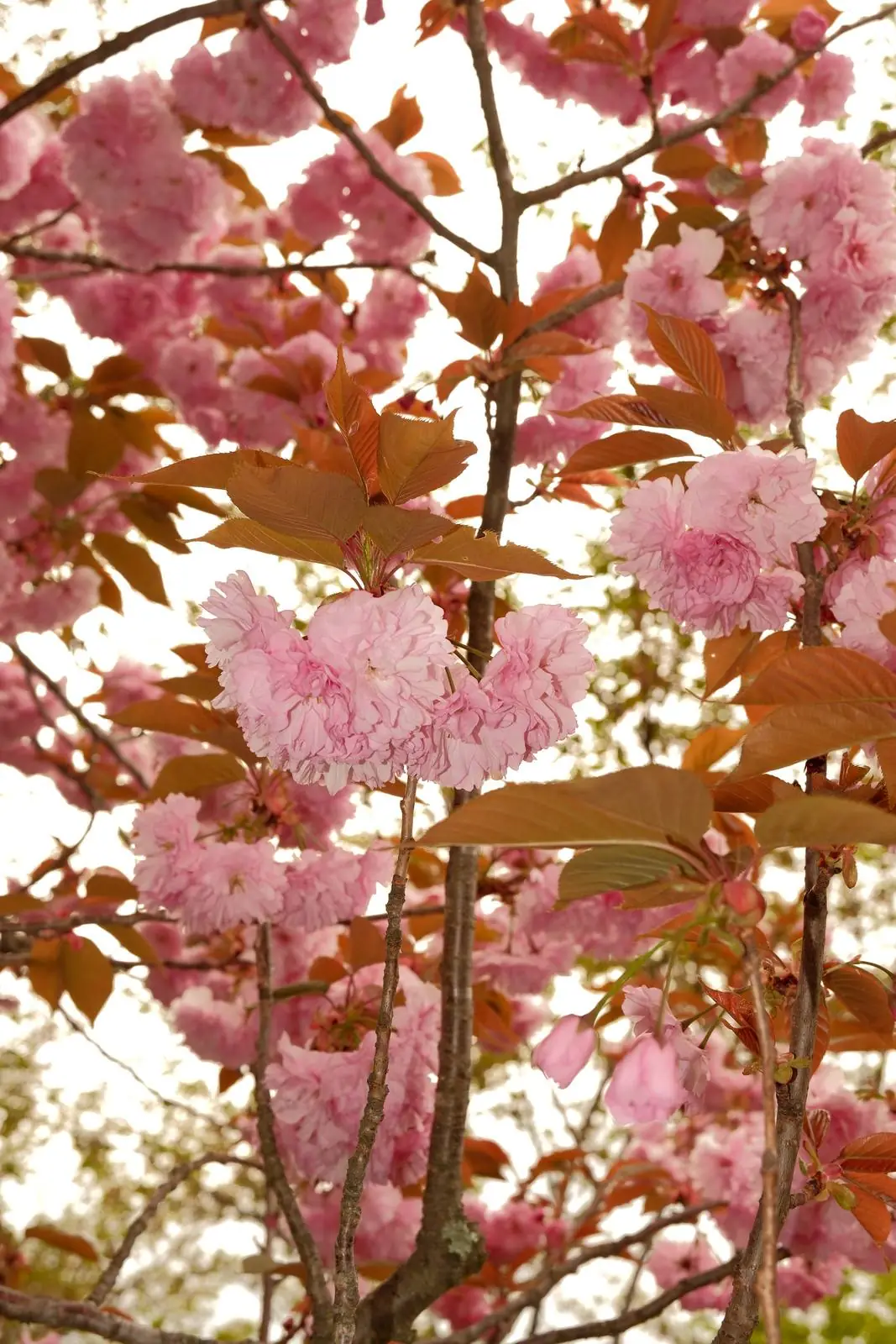
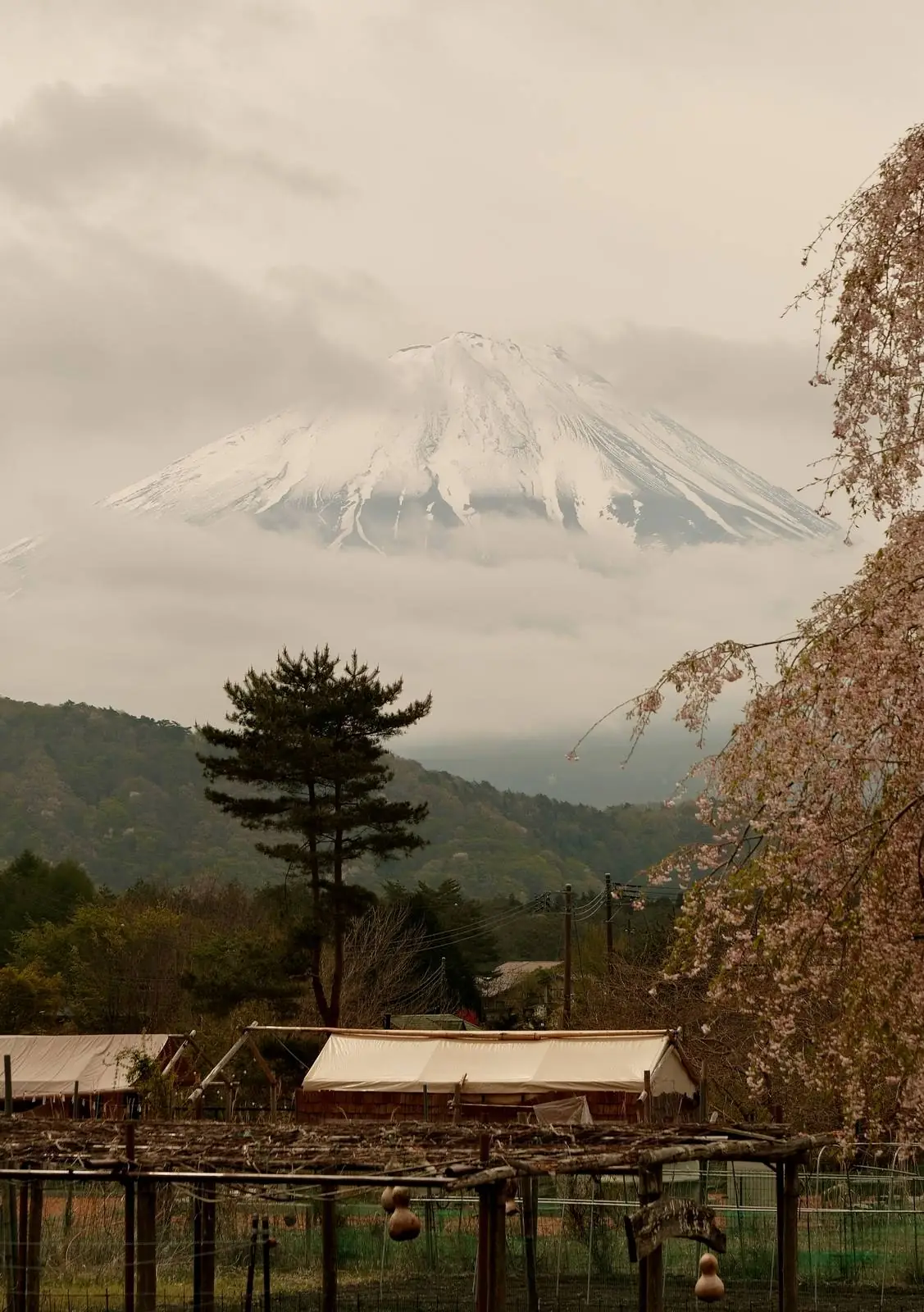
- Cherry blossoms: Late March in Tokyo, mid-April in Kyoto, later at elevation near Mt. Fuji. Book 9–12 months out.
- Golden Week (late April – early May): Festive and memorable with good planning; Chaotic without it.
- Autumn foliage: November is arguably the most beautiful month in Japan and equally hard to book.
- Okinawa: April through October for warm water and beach weather; the rest of Japan is often best March–May or October–November
- Summer (July–August): Hot, humid, and very crowded. Generally not recommended for a first luxury visit.
The Experiences Worth Having Aren't on Any Website
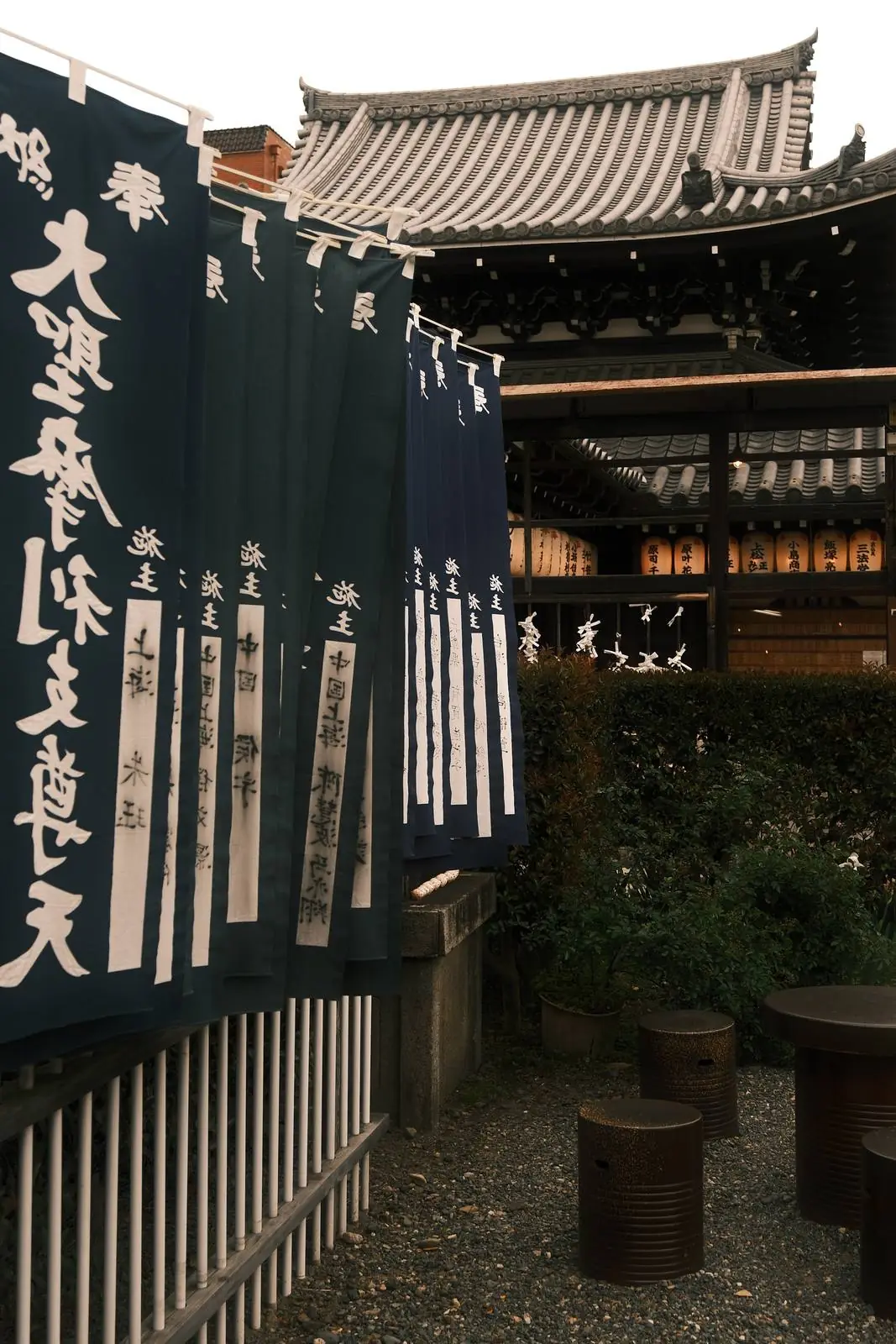
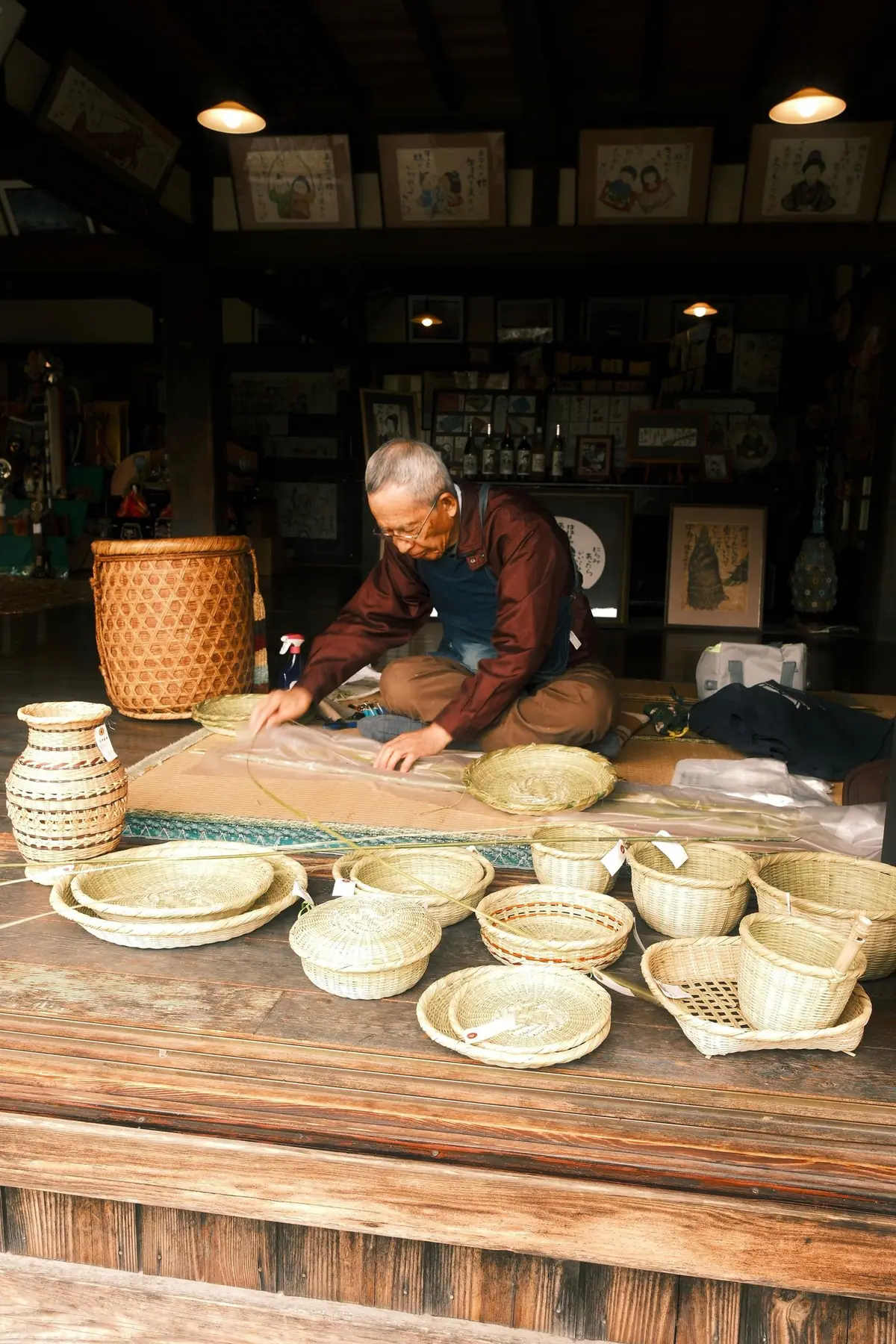
A private tea ceremony with a sixth-generation tea master in Kyoto. A visit to a 400-year-old sake brewery that doesn't market to tourists. An exclusive geiko performance at Capella Kyoto, where a maiko in full dress performs in an intimate setting for a handful of guests. Or the craftsman pictured below, hand-inscribing characters onto a miniature torii gate in a quiet workshop near Fushimi Inari, the kind of encounter you stumble into only when someone has shaped your day with enough intention to leave room for it. These are the kinds of experiences I build into client itineraries.
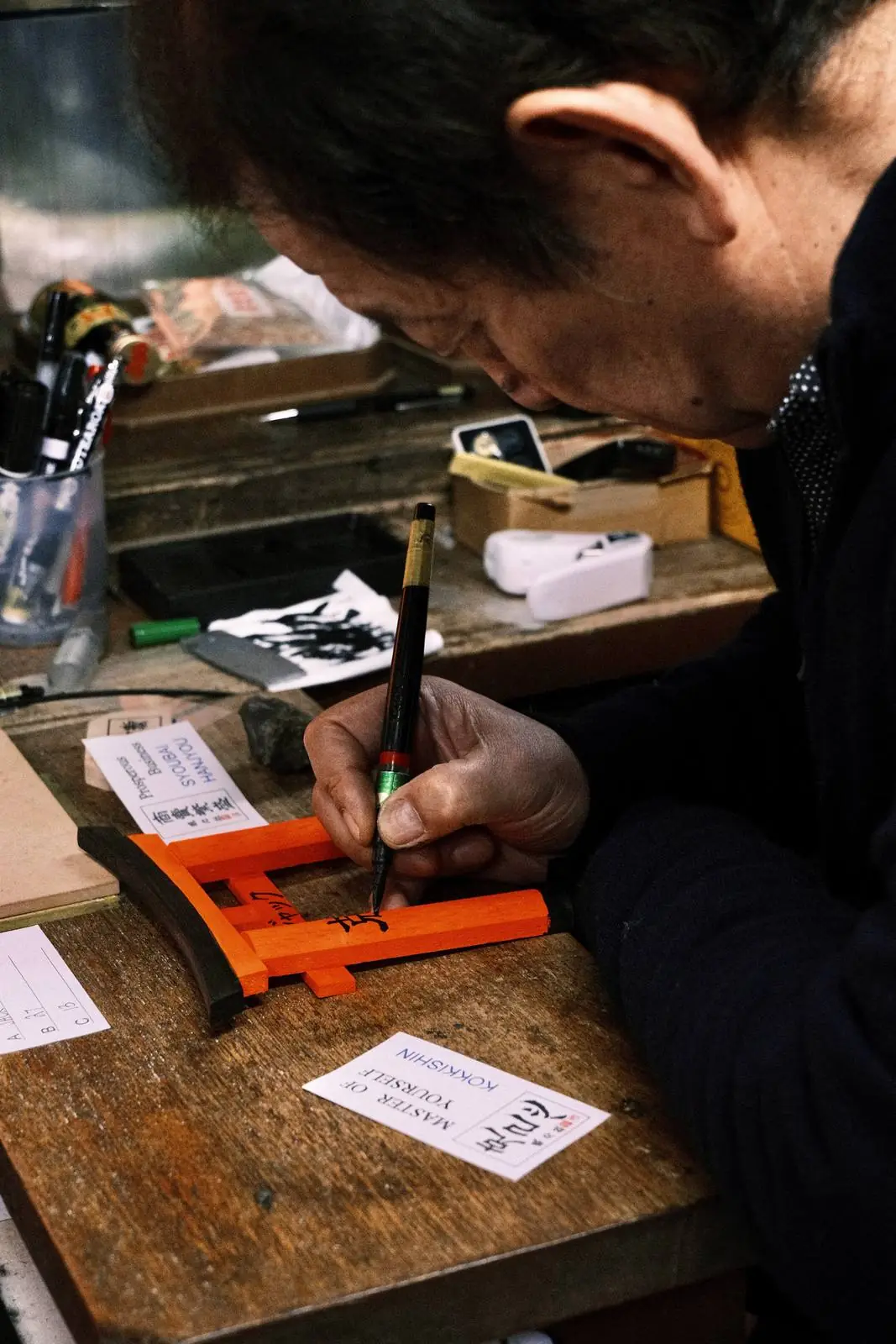
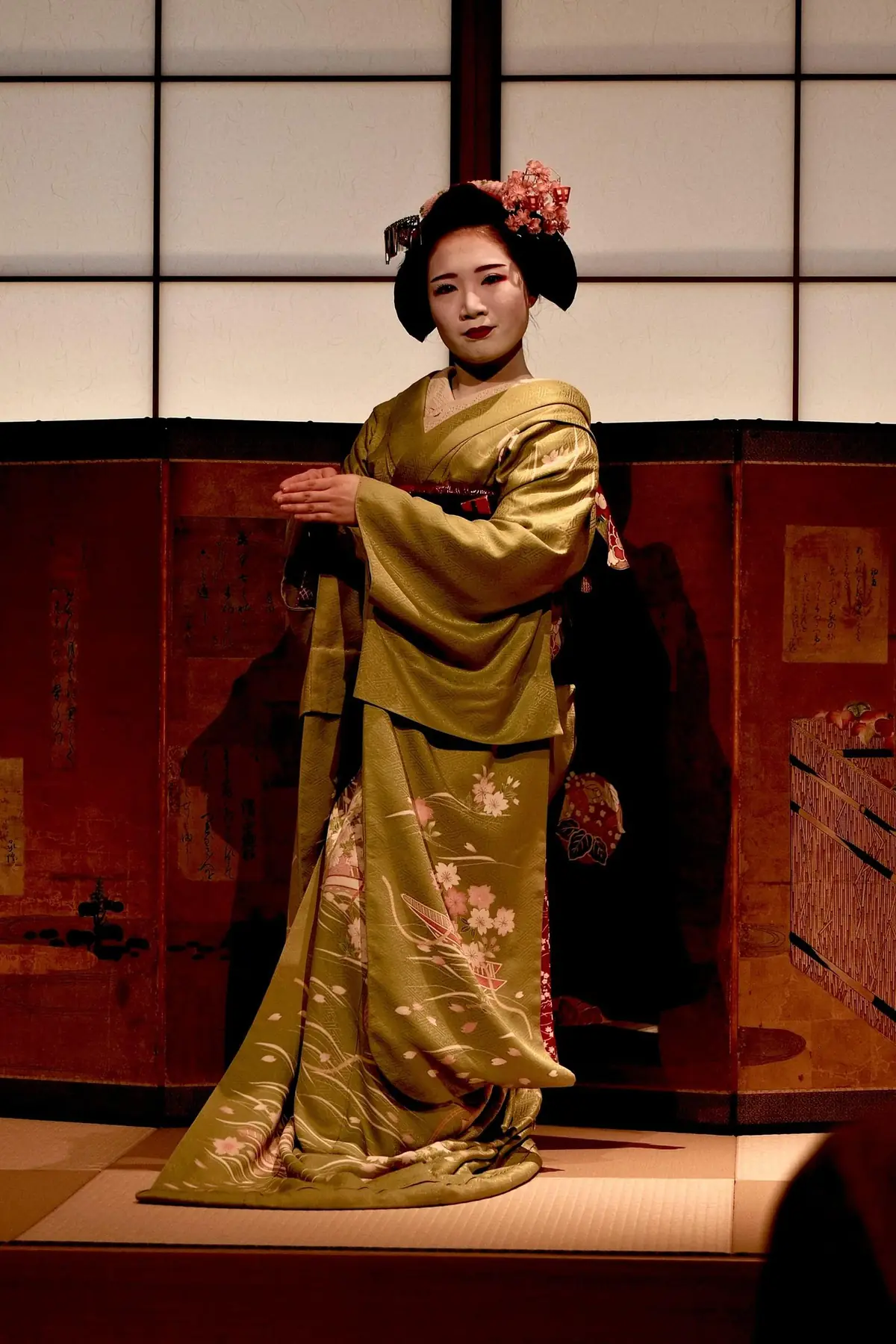
None of these were bookable online. All of them required either prior knowledge, existing relationships, or Japanese-language communication with people who don't advertise in English.
This is the Japan that most visitors never see, not because it's hidden, but because accessing it requires someone who already knows where to look. Viator and GetYourGuide have their place, but they are the surface layer of what Japan offers. The real experiences live deeper.
Logistics Across Multiple Destinations Are Genuinely Complex
A multi-destination Japan trip (Tokyo, Mt. Fuji, Kyoto, Okinawa) involves Shinkansen passes, domestic flights, private transfers, check-in protocols that vary significantly by property type, airport codes that matter (Haneda vs. Narita; Naha in Okinawa), and an itinerary where the sequence and pacing affect everything.
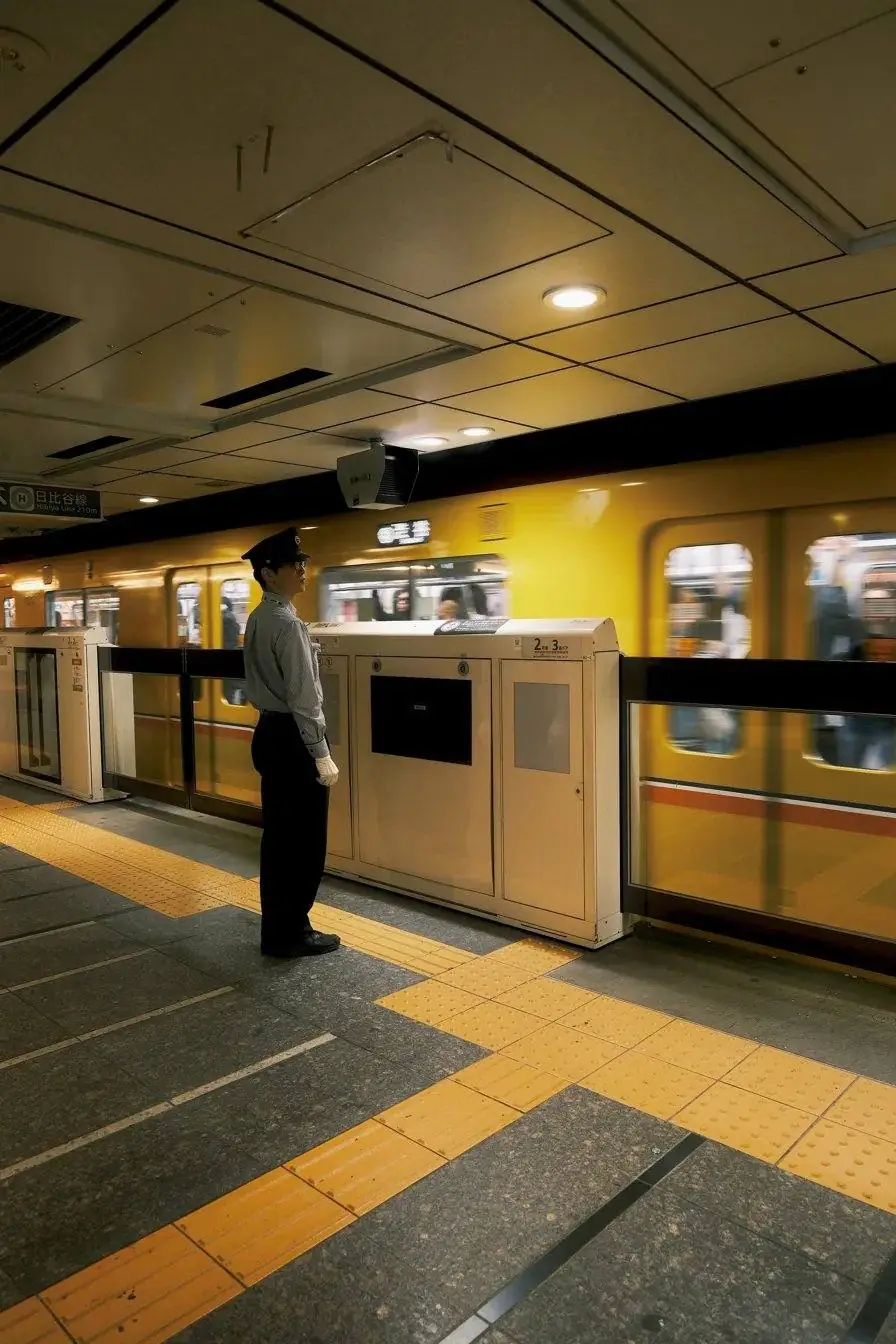
The JR Pass, for example, is an excellent value for some itineraries and a poor value for others, depending on your exact route, the specific trains you take, and whether you include Okinawa (which requires a domestic flight the pass doesn't cover). Getting this wrong costs real money. Getting it right requires knowing the rail network the way a local does.
Then there are the smaller logistics that add up quickly. A Suica card, Japan's rechargeable IC card, is essential for navigating city subways, convenience stores, and local transit that the JR Pass doesn't cover. Most visitors don't know to load it before they need it. And if you're moving between cities with full luggage, Japan's takuhaibin luggage forwarding service is one of the country's best-kept travel secrets: for a small fee, your bags are picked up from your hotel and delivered to your next destination overnight, so you can travel the Shinkansen unencumbered. It sounds like a small thing until you're trying to navigate a crowded Tokyo station with four bags and a bullet train to catch.
Then there's the language. Japan's service culture is extraordinary, but English is far less universal than in Western European destinations. Navigation, menus, cultural protocols, and local interactions all benefit enormously from having someone who has been there, knows what to expect, and has briefed you thoroughly before you land.
DIY vs. Advisor: What You Actually Get
Here's an honest side-by-side of what planning Japan independently typically looks like versus working with an advisor who knows it well:
- Limited to English-language booking platforms
- No access to top ryokans without prior contacts
- Restaurants found on Google or TripAdvisor
- Generic tour operators for experiences
- Working out timing, passes, and logistics yourself
- No support if things go wrong mid-trip
- The Japan everyone else sees
- Access to ryokans that require relationships to book
- Restaurant reservations through trusted local contacts
- Exclusive hotel perks: complimentary breakfast, room upgrades, and credits you simply cannot access booking on your own
- Private, off-market cultural experiences
- Optimized timing based on your specific dates and route
- Full logistics handled: passes, transfers, briefings
- On-trip support if anything changes
- The Japan most visitors never find
In Closing
Why the Difficulty Is the Point
Japan is a culture that rewards patience, preparation, and relationships. The best experiences are protected by layers of access not to exclude people, but because the people who maintain them care deeply about them. A ryokan that's been in a family for 12 generations isn't going to open itself to anonymous online bookings because the experience they've spent centuries refining depends on a certain kind of guest arriving with a certain kind of intention.
When you work with someone who has those relationships, you're not bypassing Japan's systems. You're participating in them the way they were designed to be participated in. You arrive as a welcomed guest. The experience you have is the real one.
The best of Japan isn't hidden. It's just waiting for someone who knows how to ask.
Every element that makes Japan difficult to book independently is an element that, with the right advisor, becomes an element that makes your trip extraordinary. The hard-to-book ryokan becomes the most memorable night of the journey. The restaurant without a booking button becomes the best meal of your life. Handled well, the complexity becomes the reason your Japan trip is nothing like anyone else's.
The Edit · Monthly Newsletter
Not Booking Just Yet?
Keep Japan on the long list. One email a month with new itineraries, ryokans and hotels I'd actually book, and the planning notes I share with clients first.
The Hard Parts Are My Job
Ryokan relationships, restaurant access, perfect timing, seamless logistics, I handle all of it so your only job is to show up and be present. Let's start designing your Japan journey.
Most journeys I plan start around $5,000 per person and scale with destination, season, and pace.
Plan This Trip With Me