A Tanzania honeymoon safari typically costs 12,000 to 25,000 USD per couple for an eight to ten day trip at the level most honeymooners want, before international airfare. Daily rates run roughly 450 to 800 USD per person for mid-range lodges, 850 to 1,500 for luxury camps, and 1,500 and up for exclusive-use properties. The best honeymoon windows are late January through February for calving season, and June through October for the dry season and river crossings.
Why I Write About This One Specifically
I honeymooned in Tanzania, and I now book honeymoon safaris there for clients several times a year. Most of what follows comes from the difference between what the trip looks like on paper and what it actually feels like.
A great safari and a great honeymoon safari are not automatically the same trip. The itinerary that maximizes animal sightings involves early wake-ups, long drives, and camp changes every two nights. That is a wonderful trip. It is not always the trip you want in the first week of your marriage.
What Does a Tanzania Honeymoon Safari Cost?
Safari pricing works on a per person per day basis, all-inclusive of accommodation, meals, a vehicle and guide, and park fees. Here is where the tiers sit in 2026.
Daily rates by tier
Per person, per day, all-inclusive.
| Tier | Per person, per day | What you get |
|---|---|---|
| Mid-range | 450 – 800 USD | Comfortable tented lodges, private vehicle and guide, driving between parks |
| Luxury | 850 – 1,500 USD | Premium camps and lodges, plunge pools, excellent guiding, often some flying |
| Ultra-luxury | 1,500 – 2,500+ USD | Exclusive-use camps, private guide and vehicle throughout, fly-in everywhere |
Most honeymoon couples land in the luxury tier, or in the upper mid-range with one or two nights splurged at a special property.
Translated into whole trips
Per couple, before international airfare.
| Trip shape | Approximate per couple |
|---|---|
| 7 – 8 nights, upper mid-range safari only | 9,000 – 15,000 USD |
| 8 nights, luxury fly-in safari | 16,000 – 25,000 USD |
| 10 – 12 nights, luxury safari plus Zanzibar | 22,000 – 38,000 USD |
| 10 – 12 nights, ultra-luxury with exclusive use | 45,000 USD and up |
What Is Not Included in the Daily Rate
This is where safari budgets break, because the daily rate looks comprehensive and then five more line items arrive.
- International airfare, usually into Kilimanjaro (JRO), sometimes via Nairobi, Doha, Amsterdam or Addis Ababa. Business class in peak season is a significant number on its own.
- Internal flights. Fly-in safaris use light aircraft between the airstrips. Budget roughly 300 to 500 USD per person for a single hop, and 600 to 900 for a typical Arusha–Serengeti round trip. Luggage limits are strict, usually around 15 kilograms in a soft bag.
- Visas. 100 USD per person for US citizens, 50 USD for most other nationalities.
- Zanzibar inbound travel insurance, roughly 44 USD per person, mandatory and separate from your own policy.
- Tips. Plan on 20 to 30 USD per person per day for your guide, plus camp staff gratuities.
- Travel insurance and medical evacuation coverage. Not optional on a trip this remote.
- Premium drinks, spa and hot-air ballooning. A Serengeti balloon flight is a common honeymoon splurge and typically runs 600 to 700 USD per person.
Why Are Park Fees Such a Large Part of the Cost?
Tanzania has the highest park fees in East Africa, and they are charged per person per day rather than per entry.
Tanzania park fees, 2026
Charged per adult per day unless noted.
| Fee | Amount |
|---|---|
| Serengeti National Park | 70 – 83 USD per adult, per day |
| Ngorongoro Conservation Area | 82 USD per adult, per day |
| Ngorongoro Crater descent | 295 USD per vehicle |
| Tarangire and Lake Manyara | 53 – 59 USD per adult, per day |
On a typical seven-day northern circuit, park fees alone total roughly 500 to 600 USD per person before you have paid for a single night of accommodation. This is why Tanzania runs 15 to 30 percent above comparable Kenya safaris, and it is also why the cheapest quote you receive deserves scrutiny. Some operators exclude park fees to make the headline number look better. Always confirm they are included.
When Should You Go? The Migration Month by Month
The Great Migration is a continuous year-round cycle, not an event with dates. The herds follow rainfall and fresh grazing, so any operator promising you a specific sighting on a specific day is overselling.
Where the herds are, month by month
Choose your month first. Everything else follows from it.
| Months | Where the herds are | What you see |
|---|---|---|
| December – March | Southern Serengeti and Ndutu | Calving season, peaking in February. Around 500,000 calves born in a two to three week window, with up to 8,000 in a single day. Exceptional predator activity. |
| April – June | Central and western Serengeti | Herds moving north in long columns. Grumeti River crossings around June and July. Long rains in April and May. |
| July – October | Northern Serengeti and into the Masai Mara | Mara River crossings, typically late July through September. The iconic imagery. |
| November | Eastern Serengeti and Lobo | Short rains, herds moving south, green landscapes, very few vehicles. |
Two honest caveats. River crossings are never guaranteed. Herds may wait for hours, turn back, cross out of sight, cross at night, or cross somewhere else entirely. And the calving window shifts with the rains.
Choose your month first, then the migration region that matches it, then the camps. Doing it in the reverse order is how couples end up in a beautiful camp three hours from where the animals are.
What Is the Best Time for a Honeymoon Specifically?
Different from the best time for a safari, because the criteria include weather, crowds, price, and how the trip feels.
June is the best value window in the calendar. You get peak season weather and wildlife viewing with lower rates and better availability than July through October. If your wedding date is flexible, this is the month I steer honeymooners toward first.
Late January and February are my second choice, and my sentimental one. Calving season in Ndutu is extraordinary, the predator action is unmatched, crowds are modest, and rates sit well below peak. The southern plains in February are green and open in a way the dry season is not.
July through October is peak in every sense. The classic dry season, the river crossings, the best odds of textbook game viewing, and the highest prices and busiest camps of the year. Worth it if the crossings are the reason you are going.
April and May are the long rains. Rates drop 30 to 50 percent and some camps close entirely. I do not recommend this window for a honeymoon unless budget is the binding constraint and you genuinely do not mind rain.
November and early December are quietly excellent. Short afternoon showers rather than all-day rain, green landscapes, superb birding, very few vehicles, and real value.
How Many Days Do You Need?
Six nights on safari is the practical minimum. Eight is better.
The reason is not greed for more animals. It is that Tanzania takes a full day to reach from the US, the parks are far apart, and a five-night trip means you are packing and moving almost every day. Two nights per camp is the minimum that feels restful. Three nights in one location is where a honeymoon starts to feel like a honeymoon rather than a schedule.
One night in Arusha on arrival, to recover from the flight and start the trip rested. Two to three nights in one Serengeti region, chosen for the month. Two nights at Ngorongoro or Tarangire. Then four to six nights in Zanzibar to decompress.
Should You Add Zanzibar?
For a honeymoon, usually yes, and the order matters. Safari first, beach second. Reversing it means ending your honeymoon with 5:30 AM wake-up calls.
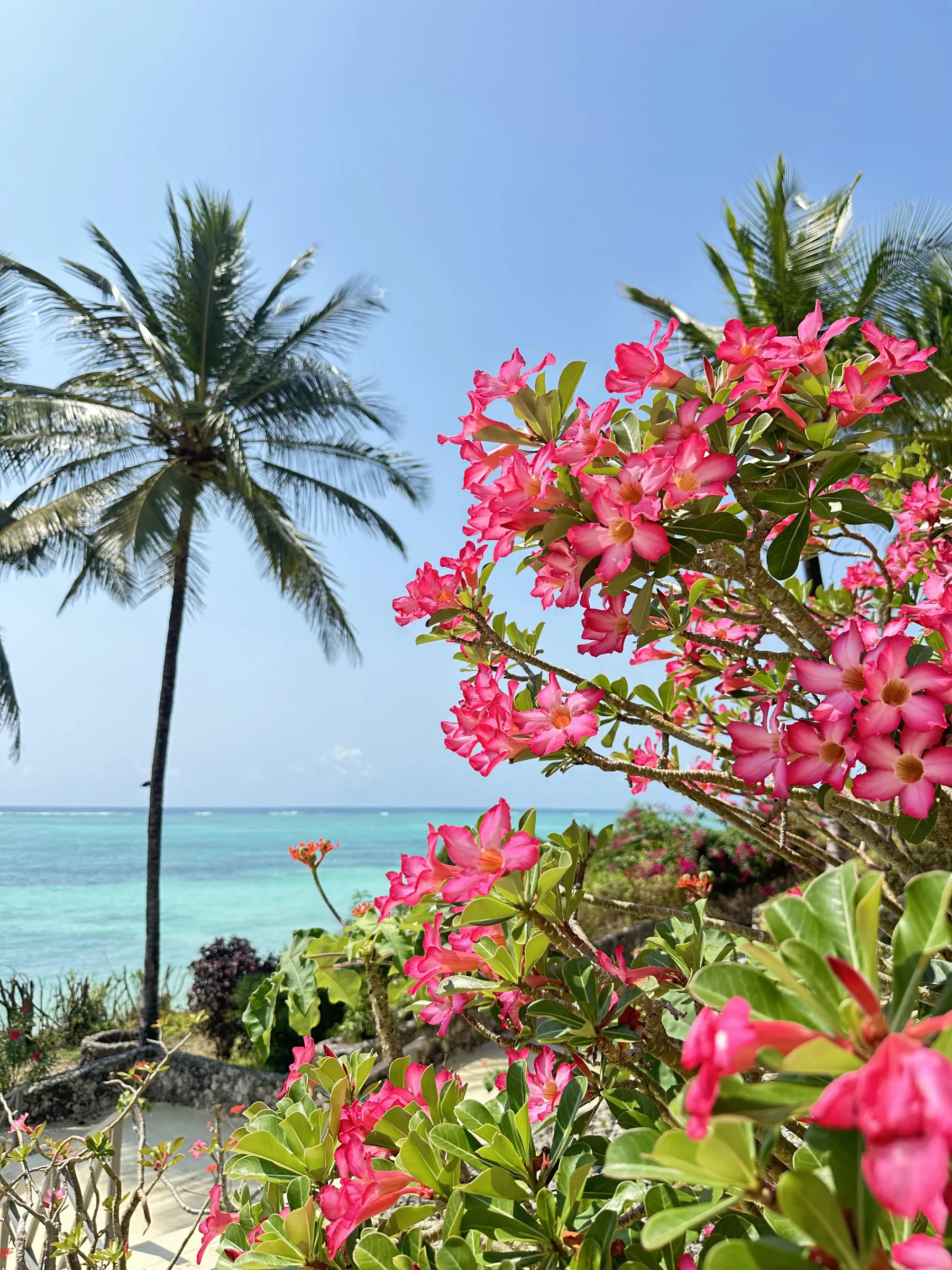
Zanzibar is a short flight from the safari circuit and shifts the trip's whole register: barefoot, slow, and private after a week of early starts and game drives. Budget four to six nights. Fewer than four and the travel time eats the stay.
The one thing to check is the seaweed season on the east coast, which varies by month and by beach and affects swimming more than most couples expect.
Choosing Camps for a Honeymoon
The property choice looks like a luxury decision. It is mostly a logistics decision.
Location within the ecosystem beats brand every time. A very good camp positioned correctly for your month will produce a better trip than an outstanding camp two hours from the herds. Mobile camps follow the migration seasonally and reposition through the year, which is exactly why they are often the right answer. Permanent lodges are more comfortable and better appointed, but they cannot move.
For honeymoons specifically, four features are worth paying for: a private vehicle and guide rather than shared, a tent or room positioned away from the main areas, the option of private dining, and a camp small enough that the staff know your names by the second day.
Tell the camps it is your honeymoon at booking, not at check-in. Honeymoon touches at good camps are genuinely lovely: private bush dinners, sundowners set up somewhere unreasonable, a surprise breakfast in the middle of the plains. All of them require advance notice to arrange properly.
Entry Requirements
- Visa. US citizens must apply for the multiple-entry e-visa at 100 USD, valid twelve months with up to 90 days per stay. Most other nationalities pay 50 USD for single entry. Apply online at least two to three weeks ahead through the official Tanzania immigration portal.
- Passport validity. Six months beyond entry, with at least one blank page. Two is the safer target if you are transiting.
- Yellow fever. A certificate is required if you are arriving from, or transiting more than 12 hours through, a yellow fever endemic country, which includes Kenya. Flying directly from the US or Europe does not trigger the requirement, though some camps still ask.
- Malaria prophylaxis. Recommended throughout, including Zanzibar. Speak to a travel medicine clinic four to six weeks before departure.
- Zanzibar inbound insurance. Mandatory and separate from your own policy, purchased through the official portal.
One visa covers both mainland Tanzania and Zanzibar. There is no separate Zanzibar visa.
Mistakes I See on Honeymoon Safaris
- Choosing camps before choosing the month, which is how couples end up in the wrong region for the migration
- Building a five-night safari with four camp changes and calling it restful
- Ending the trip on safari rather than on the beach
- Comparing quotes without confirming whether park fees are included
- Assuming river crossings are scheduled
- Underestimating internal flight luggage limits, which are strict and soft-bag only
- Booking Zanzibar without checking the seaweed season for that coast and month
- Waiting too long. The best camps are small, often eight to twelve tents, and peak season fills twelve months ahead
- Fix the month first, then let the region and the camps follow from it
- Two nights per camp minimum, three somewhere
- Safari first, Zanzibar second
- Get park fees confirmed in writing on every quote
- Treat crossings as a possibility you have positioned for, not a fixture
- Pack soft bags to the stated limit and forward the rest
- Choose the coast before the hotel
- Start twelve months out for peak season
This guide is the cost and timing side of a Tanzania honeymoon. If you want to see one built out day by day (Arusha, the Serengeti, Ngorongoro and Zanzibar across fourteen nights, with the properties named), read Wild & Barefoot: A Tanzania Honeymoon.
Frequently Asked
How much does a Tanzania honeymoon safari cost?
Typically 12,000 to 25,000 USD per couple for eight to ten days at the level most honeymooners choose, excluding international airfare. Mid-range trips start around 9,000 per couple and ultra-luxury exclusive-use itineraries begin around 45,000.
What is the best month for a Tanzania honeymoon?
June offers the best combination of peak season conditions and value. Late January and February are excellent for calving season with lower rates and fewer crowds. July through October is peak for river crossings and peak in price.
How much are Tanzania park fees?
Serengeti runs 70 to 83 USD per adult per day and the Ngorongoro Conservation Area 82 USD per adult per day, plus a 295 USD per vehicle crater descent fee. A seven-day northern circuit totals roughly 500 to 600 USD per person in park fees alone.
How many days do you need for a Tanzania safari?
Six nights minimum, eight preferred. Adding Zanzibar brings the total trip to ten to fourteen nights.
When is calving season in the Serengeti?
Roughly December through March in the southern Serengeti and Ndutu, peaking in February, when as many as 8,000 calves can be born in a single day.
When are the Mara River crossings?
Typically late July through October in the northern Serengeti, though the timing shifts with the rains each year and crossings can never be guaranteed.
Do you need a visa for Tanzania?
Yes. US citizens pay 100 USD for a multiple-entry e-visa. Most other nationalities pay 50 USD for single entry. One visa covers both the mainland and Zanzibar.
Is Tanzania safe for a honeymoon?
The safari circuit and Zanzibar are well-established tourism regions with mature infrastructure. The practical considerations are health preparation, medical evacuation coverage, and using operators and camps with a real track record rather than the cheapest quote.
Should you do Tanzania or Kenya for a honeymoon?
Tanzania runs roughly 15 to 30 percent higher, largely because of park fees, and delivers the Serengeti, the Ngorongoro Crater and Zanzibar in one trip. Kenya is more affordable and the Masai Mara is superb, particularly for crossings. For a first safari with a beach ending, Tanzania is the stronger single-country answer.
Should you add Zanzibar to a Tanzania safari?
For a honeymoon, usually yes, and safari first. Budget four to six nights, or the travel time eats the stay. Check the seaweed season for the specific coast and month before choosing a hotel.
Planning Your Honeymoon Safari
The most useful thing I bring to this is not a list of camps. It is knowing which camp is in the right place in the month you are traveling, and where the itinerary needs to slow down so the trip feels like a honeymoon.
If you have a rough date, that is enough to start. For peak season, twelve months of lead time is the right target.
Start Planning Your Journey